Roger Kuperways
In Conversations with the Great Philosophers
Roger Kuperways brings sixty-three of history’s greatest philosophers, psychologists, and thinkers into living conversation. Their ideas are explained in plain English, applied to everyday life, and explored through conversations in which Roger questions the thinker, the thinker questions Roger, and the reader becomes the third participant.
In Conversations with the Great Philosophers is designed for readers who are curious about philosophy but do not want an academic textbook. Complex ideas become human, practical, personal, and alive.
Proposal, synopsis, samples, and comparative materials available below. Complete manuscript available upon request.
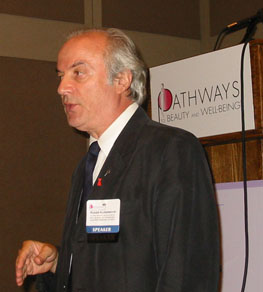
Javits Center, New York
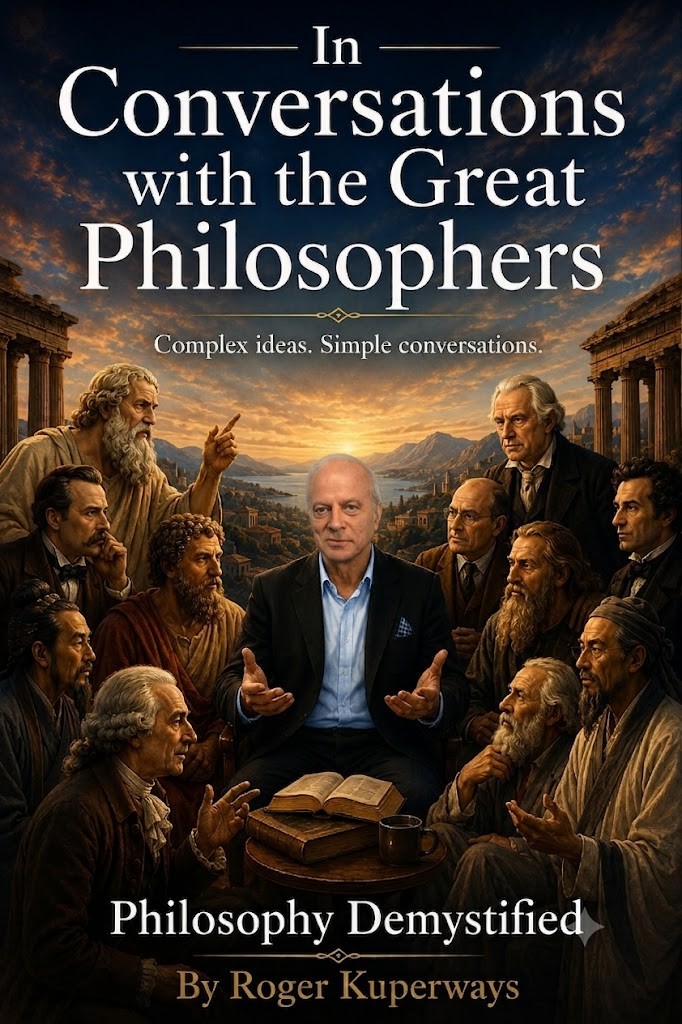
In Conversations with the Great Philosophers
Sixty-three of history’s greatest philosophers, psychologists, and thinkers are brought into living conversation—not only with the author, but with the reader.
Their ideas are explained in plain English, applied to everyday life, and explored through conversations in which Roger questions the thinker, the thinker questions Roger, and the reader becomes the third participant.
The same Timeless Questions are posed to every thinker, allowing readers to compare how radically different minds across centuries approach happiness, failure, fear, becoming better, purpose, death, and mistakes.
Philosophy, demystified.
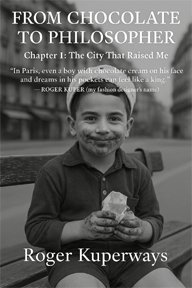
From Chocolate to Philosopher
Born in hiding in Voiron, near Grenoble, in 1944, Roger Kuperways was raised in Paris, came of age in the ateliers of haute couture, immigrated alone to New York at seventeen with twelve dollars and no English, built a fashion label carried by major department stores, and later reinvented himself as a professor at New York University.
From Chocolate to Philosopher tells that journey—a life shaped by craft, survival, loss, reinvention, immigration, ambition, and the quiet art of beginning again.
More than fifty years later, Roger Kuper garments still circulate as sought-after vintage pieces—a quiet afterlife echoing the book’s deeper themes of endurance, identity, and reinvention.
Materials for Literary Agents
About Roger
Roger Kuperways is a Holocaust survivor, born in hiding in Voiron, near Grenoble, in 1944 and raised in Paris. His life spans couture ateliers, New York’s Garment District, and nearly three decades teaching entrepreneurship and philosophy at New York University.
His designs were carried by major retailers including Bergdorf Goodman and Saks Fifth Avenue, with distribution across the United States and abroad. He later transitioned into academia, teaching entrepreneurship and philosophy at New York University for twenty-seven years.
Now Professor Emeritus, he continues to mentor, lecture, write, and teach Argentine tango.
Contact
Thank you for your visit.